
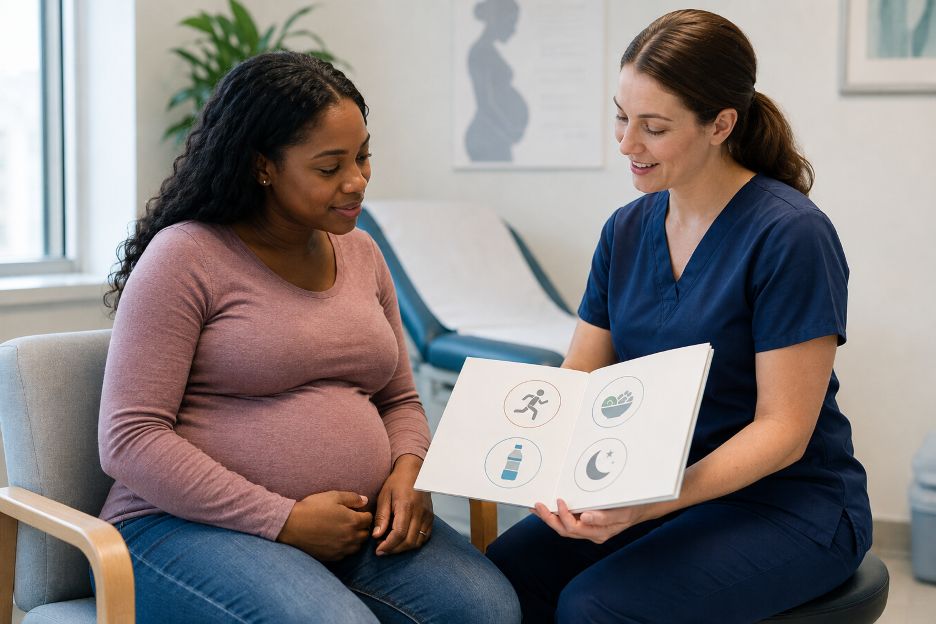
Healthy pregnancy routines extend beyond exercise. Movement, varied food, adequate fluids, and restorative sleep contribute to daily well-being. Keeping a simple record can reveal patterns that memory misses, such as whether nausea reduces fluid intake or poor sleep makes activity harder the next day.
The aim is awareness, not a perfect scorecard. Parents who want one place for practical notes and meaningful moments can check out Pregnancy Week By Week (click here to view guide) to explore a journal-based approach. A pregnancy keepsake journal can hold wellness milestones beside appointment questions, feelings, photographs, and memories, creating a record that remains useful without turning pregnancy into a performance.
Why Consistent Tracking Can Help
Pregnancy changes quickly, and the routine that feels manageable one week may need adjustment the next. A short daily entry gives pregnant people and their care teams clearer context when discussing fatigue, appetite, discomfort, activity, or sleep. It should complement prenatal care rather than serve as a diagnostic tool.
For most healthy pregnancies, the American College of Obstetricians and Gynecologists advises at least 150 minutes of moderate-intensity aerobic activity each week. Individual recommendations may differ because of health conditions or pregnancy complications, so a clinician should confirm what is appropriate before a new program begins.
Step 1: Create a Small, Repeatable Record
Choose paper, a notes application, or a calendar, then use the same four headings each day: movement, food, fluids, and rest. Add energy, mood, or symptoms only if they are helpful. A two-minute check-in is easier to maintain than a detailed system that becomes another obligation.
Start with a baseline for several days. Record what actually happens before setting goals. This shows which habits already work and where one small change may help. Review trends weekly rather than judging isolated days.
Step 2: Record Physical Activity Safely
Write down the activity, duration, and how it felt. Walking, swimming, and pregnancy-adapted strength work may be suitable choices when approved by a care professional. The National Health Service recommends using the talk test: moderate effort should still allow conversation. It also advises avoiding exhaustion, overheating, contact sports, scuba diving, and activities with a significant fall risk.
Stop exercising and seek medical guidance if concerning symptoms occur. Rather than relying on a tracker to interpret pain, dizziness, bleeding, fluid leakage, chest pain, or sudden breathlessness, contact the appropriate maternity service. The National Health Service also identifies severe headache, sudden vision changes, and altered fetal movement as reasons to obtain prompt advice.
Step 3: Track Food Patterns, Not Perfection
Record meals in broad groups instead of counting every calorie: vegetables and fruit, grains, protein foods, dairy or alternatives, and snacks. Note nausea, heartburn, food aversions, or long gaps between meals. These patterns can support a more useful conversation with a midwife, obstetrician, or registered dietitian.
Nutrition needs are personal, especially with allergies, diabetes, anemia, severe vomiting, or a vegetarian or vegan diet. The Centers for Disease Control and Prevention recommends 400 micrograms of folic acid daily and states that there is no safe time for liquor use during pregnancy. Supplements and dietary changes should follow professional guidance rather than online trends.
Step 4: Make Hydration Visible
Use check marks for glasses or refillable bottles, and record situations that affect intake, such as heat, exercise, nausea, or vomiting. The goal is a consistent pattern, not forcing a fixed amount that ignores body size, climate, diet, and clinical needs. Ask a healthcare professional for an individualized target, particularly if fluids are difficult to keep down.
Step 5: Treat Rest as a Wellness Habit
Track bedtime, waking time, naps, and a simple morning rating such as refreshed, tired, or exhausted. MedlinePlus, a service of the U.S. National Library of Medicine, notes that sleep may become more difficult later in pregnancy. Its practical guidance includes keeping regular sleep and wake times, relaxing before bed, and discussing medicines or sleep aids with a clinician before use.
Step 6: Adjust the Routine Across Trimesters
- First trimester: Keep goals flexible when fatigue, nausea, or food aversions are strong. Short walks, small meals, and frequent sips may be more realistic than a rigid plan.
- Second trimester: If energy improves, build consistency gradually. Recheck exercise choices as balance and body shape change.
- Third trimester: Prioritize comfort, hydration, gentle movement, and rest. Modify duration and intensity with guidance from the maternity care team.
Progress Without Pressure
A useful tracker should encourage curiosity. Missed entries, lower-activity days, and changing appetite are information, not failures. Set ranges rather than streaks, celebrate repeatable actions, and pause tracking if it increases anxiety or guilt. Broader wellness planning may also include learning about birth control choices and fitness routines, particularly when discussing reproductive health after pregnancy with a healthcare professional.
Review the record before prenatal visits and highlight only what matters: a recurring symptom, a question, or a meaningful change. Over time, the pages can show how routines evolved alongside personal reflections. The best system remains simple enough to support all three trimesters, while leaving room for medical advice, changing needs, and the imperfect reality of pregnancy.