
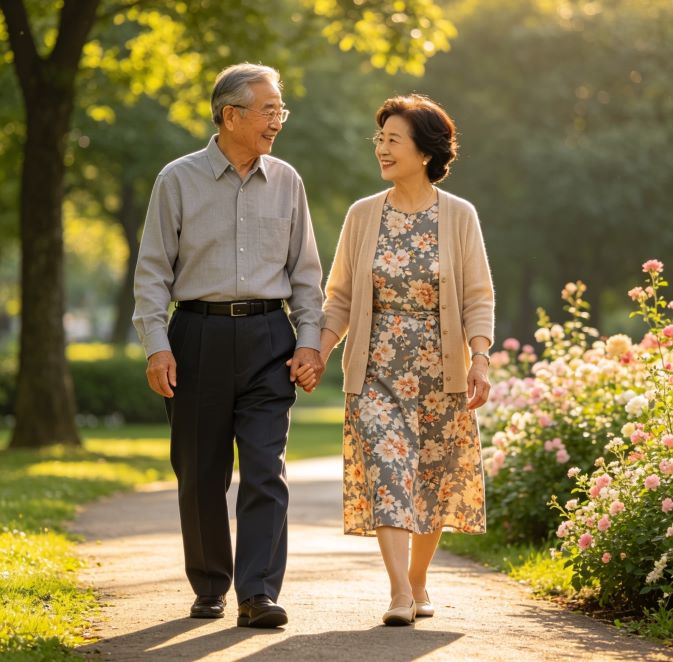
Healthy aging is not simply about trying to look younger. It is about maintaining strength, mobility, skin health, confidence, and overall well-being as the body changes over time.
Regular exercise remains one of the most effective ways to support long-term health. For adults also exploring medically supervised aesthetic care through a physician-led aesthetic clinic in Los Angeles, it helps to understand how lifestyle habits and non-surgical treatments can work together.
Exercise and aesthetic care are not competing approaches. One supports whole-body wellness, while the other may help address specific visible changes that naturally develop with age.
Why Exercise Is One of the Most Powerful Healthy Aging Habits
Regular physical activity supports many systems involved in healthy aging. It helps the body stay stronger, more mobile, and more resilient over time.
Research from World Health Organization (WHO) shows that regular physical activity supports cardiovascular health, muscle function, balance, and overall quality of life in adults.
- Improves blood circulation and oxygen delivery
- Supports muscle tone and posture
- Helps reduce chronic inflammation
- Supports cardiovascular and metabolic health
- Promotes better mood, sleep, and stress management
Data from Centers for Disease Control and Prevention (CDC) also links regular physical activity with lower risk of heart disease, type 2 diabetes, some cancers, anxiety, and depression.
These benefits can contribute to a healthier appearance. However, exercise should not be viewed as a direct way to stop skin aging.
How Physical Activity Supports Skin Health
Exercise may support skin health indirectly by improving circulation. Better blood flow helps deliver oxygen and nutrients to tissues, including the skin.
Physical activity can also help regulate stress. Experts from American Psychological Association note that chronic stress can affect many body systems, including immune function and recovery processes.
- Improved circulation may support normal skin function.
- Stress management may indirectly benefit the skin barrier.
- Better sleep from regular activity may support tissue repair.
- Overall wellness may be reflected in skin vitality.
Sweating is often misunderstood. It does not “detox” the body, since the liver and kidneys perform that function.
Health experts from Cleveland Clinic explain that sweating mainly helps regulate body temperature. After exercise, gentle cleansing can help remove sweat, oil, and surface debris from the skin.
Even with consistent exercise, visible aging is influenced by many factors. Research from American Academy of Dermatology identifies genetics, sun exposure, smoking, pollution, and natural collagen loss as major contributors to aging skin.
What Exercise Cannot Reverse
Exercise is powerful, but it cannot reverse every biological change linked to aging. Some visible changes happen because of shifts in deeper skin and facial structures.
- Gradual collagen loss
- Reduced elastin in the skin
- Facial volume loss
- Fine lines and wrinkles
- Skin laxity
- Changes in facial contours
Collagen gives skin structure, while elastin helps it remain flexible. As these proteins decline with age, the skin may become thinner, looser, and less firm.
Facial volume also changes over time. Fat pads beneath the skin can shift or diminish, which may alter the cheeks, jawline, and under-eye area.
These changes occur even in people who exercise regularly. They are normal parts of aging, not signs of poor health or lack of self-care.
Where Physician-Led Non-Surgical Aesthetic Treatments May Help
Because exercise cannot fully address structural facial aging, some adults consider non-surgical aesthetic treatments. These options are usually designed to target specific concerns without surgery.
- Neuromodulators for expression lines
- Dermal fillers for volume support
- Skin resurfacing procedures for texture and tone
- Collagen-stimulating treatments for gradual firmness support
- Medical-grade skincare programs for ongoing skin maintenance
These treatments are best understood as complementary tools. They do not replace exercise, nutrition, sleep, sun protection, or preventive healthcare.
Clinics such as My Aesthetic Doctor emphasize individualized consultations and medically supervised treatment plans. This type of care considers anatomy, goals, health history, and realistic outcomes.
Experts from American Society for Dermatologic Surgery note that qualified medical providers and individualized planning are important for safer aesthetic treatment decisions.
Combining Wellness and Aesthetic Care for Long-Term Healthy Aging
Healthy aging works best as a layered approach. No single habit or treatment can address every part of aging.
A balanced plan often includes:
- Regular physical activity
- Balanced nutrition
- Daily sun protection
- Quality sleep
- Stress management
- Appropriate skincare
- Professional consultation when aesthetic concerns arise
Sun protection is especially important. Skin Cancer Foundation explains that ultraviolet exposure contributes to premature skin aging and increases skin cancer risk.
Nutrition also matters. Protein, healthy fats, vitamins, minerals, and hydration all support normal tissue function and repair.
When these habits are combined with appropriate medical guidance, aesthetic care can become part of a broader healthy aging strategy rather than a separate or purely cosmetic choice.
Setting Realistic Expectations
Realistic expectations help people make better decisions about both fitness and aesthetic care. Each approach has benefits, but each also has limits.
- Exercise improves health, mobility, strength, and mood.
- Exercise cannot eliminate wrinkles or restore lost facial volume.
- Cosmetic procedures cannot replace healthy daily habits.
- Non-surgical treatments may help address specific visible concerns.
- Results vary based on age, genetics, lifestyle, and treatment choices.
Sustainable results often come from combining prevention with evidence-based care. This means supporting the body from the inside while addressing specific concerns from the outside when appropriate.
The goal should not be to erase aging. A more balanced goal is to age with strength, confidence, and informed care.
Conclusion
Regular exercise remains one of the most valuable habits for healthy aging. It supports cardiovascular health, muscle strength, mobility, sleep, mood, and overall quality of life.
At the same time, natural changes such as collagen loss, facial volume reduction, wrinkles, and skin laxity can still occur. Physical fitness alone cannot completely prevent these biological processes.
Physician-led non-surgical aesthetic care may complement an already healthy lifestyle by addressing specific cosmetic concerns in a measured, individualized way.
Healthy aging is strongest when it is guided by informed choices, realistic expectations, and qualified medical support at every stage of life.