
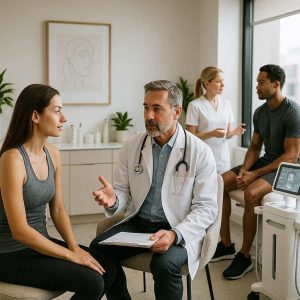
 The wellness industry has changed significantly over the last several years. People are now more interested in treatments that support both appearance and overall health. This shift has helped physician-led aesthetics and integrative medicine become more popular across many healthcare settings. Patients today want more than temporary cosmetic improvements. They want long-term wellness solutions that fit healthy lifestyles.
A physician-led aesthetic practice combines medical expertise with cosmetic and wellness treatments. Unlike traditional beauty-focused clinics, these facilities often examine the connection between physical appearance, internal health, and lifestyle habits. Many patients appreciate this approach because it feels more personalized and medically guided.
Health and fitness trends have strongly influenced this growing demand. More individuals are prioritizing exercise, nutrition, stress management, and preventive healthcare. As a result, aesthetic treatments are increasingly viewed as part of a larger wellness plan instead of isolated cosmetic services.
The Connection od Health, Fitness, and Skincare Treatments
Many people who maintain healthy fitness routines also become interested in skincare and wellness treatments. They want their physical appearance to reflect the effort they put into their health. This does not necessarily mean dramatic cosmetic procedures. Instead, patients often prefer subtle, natural-looking enhancements that support healthy aging and self-confidence.
Integrative medicine has become an important part of this movement. Integrative care focuses on combining traditional medical treatments with wellness-based approaches such as nutrition support, stress reduction, sleep improvement, and preventive care. Physician-led aesthetic clinics increasingly include these services because patients want more complete health support.
Stress is one of the most common concerns connected to both wellness and appearance. High stress levels can affect sleep, energy, hormone balance, and skin health. Many individuals experience acne breakouts, dull skin, or premature aging during stressful periods. Physician-led clinics often address these issues by examining lifestyle factors alongside cosmetic treatments.
Nutrition also plays a major role in appearance and wellness. Healthy eating habits may support hydration, collagen production, and skin repair. Many integrative medicine providers now discuss dietary habits during consultations. This creates a broader understanding of how internal wellness affects external appearance.
Exercise is another major factor influencing modern aesthetics. Regular physical activity improves circulation, energy levels, and overall health. Some patients seek aesthetic treatments after significant weight loss or lifestyle improvements because they want to maintain confidence and support their wellness goals.
The popularity of non-invasive procedures continues to grow because many patients want treatments with little recovery time. Busy professionals and active individuals often prefer procedures that allow them to return quickly to work and exercise routines. Treatments such as skin rejuvenation, laser therapies, and collagen stimulation are popular because they offer gradual and natural-looking results.
Technology has also transformed physician-led aesthetic care. Advanced diagnostic systems now allow practitioners to create more personalized treatment plans. Skin imaging tools, wellness assessments, and regenerative therapies help clinics provide more targeted recommendations for each patient.
Patients today are also more educated about wellness and skincare. Many research treatments online before booking consultations. They want to understand ingredients, procedures, side effects, and expected results. Physician-led clinics often stand out because they provide more detailed medical guidance and patient education.
Another major reason for industry growth is the aging population. Many adults want to maintain healthy skin and physical confidence as they age. Integrative wellness programs help support this goal by focusing on prevention and long-term health instead of short-term cosmetic fixes.
Mental wellness has also become closely connected to aesthetic care. Feeling healthy and confident often improves emotional well-being. At the same time, responsible practitioners understand the importance of realistic expectations and ethical treatment planning. The goal is to support confidence without encouraging unhealthy beauty standards.
Medical spas have become especially popular because they combine clinical expertise with relaxing wellness environments. Patients appreciate receiving medical-grade treatments while also experiencing stress relief and relaxation. This balance between healthcare and wellness reflects changing consumer expectations.
As health and fitness trends continue to grow, physician-led aesthetics and integrative medicine will likely become even more connected. Modern patients increasingly want personalized care that supports physical appearance, emotional wellness, and overall health at the same time.
How Integrative Medicine Is Changing Modern Aesthetic Care
Integrative medicine is transforming the way many physician-led aesthetic clinics operate today. Instead of focusing only on cosmetic procedures, practitioners are now looking more closely at overall health and lifestyle factors. This approach allows treatments to support both physical appearance and long-term wellness.
One of the main goals of integrative medicine is identifying possible underlying causes of health concerns. For example, skin issues such as acne, dryness, or inflammation may sometimes be connected to stress, sleep problems, nutrition, or hormone imbalance. Physician-led clinics increasingly examine these factors before recommending treatment plans.
Patients often appreciate this broader approach because it feels more personalized. Rather than simply treating visible symptoms, practitioners help individuals understand how daily habits may influence their appearance and energy levels. This creates a stronger connection between healthcare and aesthetic medicine.
Sleep quality has become an important topic in many consultations. Poor sleep may contribute to tired-looking skin, dark circles, and slower skin repair. Integrative practitioners frequently encourage healthier sleep habits as part of skincare and wellness plans.
Stress management is another major focus. Long-term stress may affect inflammation, hormone balance, and emotional well-being. Many clinics now discuss mindfulness practices, relaxation techniques, and lifestyle adjustments alongside aesthetic procedures. This supports healthier long-term outcomes for patients.
Nutrition counseling is also becoming more common in physician-led practices. Healthy eating habits may help support hydration, collagen production, and skin recovery. Some clinics recommend dietary changes that align with overall wellness goals and skincare improvements.
Preventive care is one of the biggest strengths of integrative medicine. Instead of waiting for major concerns to develop, patients are encouraged to maintain healthy habits and address issues early. This preventive mindset fits well with modern aesthetic trends that focus on natural-looking results and healthy aging.
Regenerative therapies are also gaining attention in aesthetic medicine. Treatments designed to support the body’s natural repair processes are becoming increasingly popular. Patients often prefer procedures that stimulate natural collagen production and gradual improvements rather than dramatic cosmetic changes.
Another important aspect is patient education. Integrative clinics usually spend more time explaining treatment options, lifestyle factors, and realistic expectations. Patients value this transparency because it helps them feel more informed and involved in decision-making.
Technology continues to improve personalized care as well. Advanced wellness assessments and diagnostic tools allow practitioners to tailor treatments more accurately to individual needs. This creates safer and more effective care plans for patients.
The emotional side of wellness is also recognized more often. Feeling healthy physically can positively affect confidence and emotional balance. At the same time, practitioners are encouraged to recognize when emotional support or realistic counseling may be necessary before cosmetic treatments.
The combination of wellness and aesthetics reflects changing consumer priorities. Patients increasingly want care that helps them feel healthier, stronger, and more confident instead of simply changing appearance. This balanced approach continues shaping the future of physician-led aesthetic medicine.